Exploring the Future of Pipe Welding with Green Technologies
As the world grapples with the consequences of climate change and energy consumption, industries are increasingly turning to sustainable practices and technologies. Pipe welding, a critical process in various sectors such as construction, oil and gas, and manufacturing, is no exception. With the advent of green technologies, the future of pipe welding is evolving, focusing on reducing environmental impact while enhancing efficiency and safety. This blog will explore how green technologies are reshaping the landscape of pipe welding, emphasizing innovative practices and their implications for the industry.
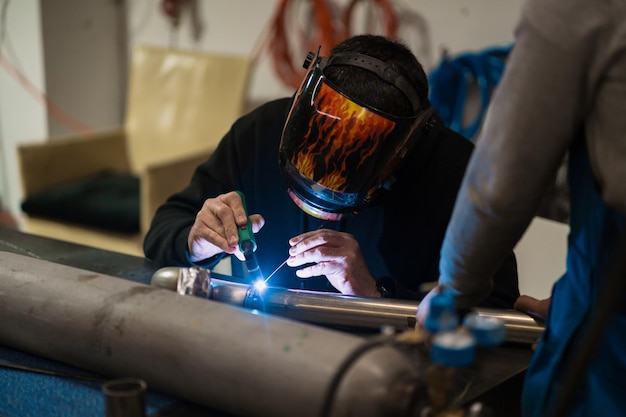
The Need for Sustainable Practices in Pipe Welding
Pipe welding plays a vital role in the infrastructure of industrial processes, but it is not without its environmental challenges. Traditional welding methods often contribute to energy consumption and resource waste, which can adversely impact the environment. As industries face increased scrutiny regarding their carbon footprints, the demand for sustainability in pipe welding has become critical.
Sustainable practices in pipe welding entail utilizing methods and technologies that minimize waste, reduce energy consumption, and enhance worker safety. The move toward greener operations is not just about meeting regulatory requirements; it is also about fostering corporate social responsibility. Forward-thinking companies recognize that adopting sustainable practices can lead to improved public perception, enhanced employee morale, and long-term financial benefits.
The Role of Advanced Materials in Green Welding
One of the most promising avenues for achieving greener outcomes in pipe welding is the development of advanced materials. The use of materials that are lighter, stronger, and more durable can reduce the environmental impact of welding processes. For instance, the emergence of high-performance alloys, composites, and eco-friendly filler materials allows welders to create strong joints while minimizing the amount of material needed.
These advanced materials not only improve the efficiency of the welding process but also contribute to the longevity of the structures being built. By opting for materials with enhanced properties, companies can reduce maintenance costs and extend the life span of their projects. This shift toward sustainable materials represents a significant evolution in pipe welding, promoting responsible sourcing and lifecycle management.
Innovations in Welding Techniques
Emerging technologies are transforming the way pipe welding is performed. Techniques such as laser welding, electron beam welding, and friction stir welding are gaining traction due to their eco-friendly attributes. These innovative approaches consume less energy and produce fewer emissions compared to conventional methods. Learn welding technology at Erie Institute of Tech, where we equip you with the skills to master cutting-edge welding techniques and stay ahead in the evolving industry.
For instance, laser welding, which employs focused laser beams to melt and join metal parts, is gaining popularity for its precision and reduced heat input. This minimizes distortion and allows for thinner materials to be welded without compromising strength. Additionally, it produces less waste and requires fewer consumables, further enhancing its sustainability profile.
Friction stir welding is another noteworthy technique that generates significant benefits. By mechanically mixing materials without melting them, this method reduces energy consumption and produces minimal waste. Furthermore, as industries increasingly prioritize sustainability, these advanced welding techniques may become the standard in pipe welding practices.
Automation and Robotics in Pipe Welding
The integration of automation and robotics in pipe welding is a game-changer for the industry. Automated welding systems can enhance productivity, improve precision, and reduce waste associated with traditional manual welding. Furthermore, automated processes tend to produce fewer greenhouse gas emissions, contributing to a more eco-friendly operation, and making automated welding systems essential for pipe welding.
Robotic systems can maintain consistent quality in welding seams while minimizing human error. This not only enhances the safety for workers by reducing exposure to hazardous environments but also leads to less rework and material usage. With advancements in artificial intelligence and machine learning, future robotic welding systems are poised to become even more efficient and adaptable, allowing for real-time adjustments based on varying conditions.
Emphasizing Training and Skills Development
As green technologies continue to permeate the field of pipe welding, there will be an increased demand for skilled welders who are competent in these innovative practices. Therefore, investments in training and skills development will be vital. Educational institutions and training programs must adapt their curricula to include green welding technologies, advanced materials, and automated processes.
By focusing on sustainability in training, the next generation of welders will be equipped to meet the demands of a rapidly evolving industry. Upskilling current workers in green technologies will also be essential to ensuring a seamless transition toward more sustainable practices. This emphasis on education and skills development will not only benefit individual welders but also strengthen the industry by fostering a culture of innovation and environmental responsibility.
Monitoring and Measuring Environmental Impact
To effectively transition toward greener pipe welding practices, companies must implement systems to monitor and measure their environmental impact. This entails evaluating energy consumption, emissions, waste generation, and resource utilization throughout the welding process. Establishing clear benchmarks allows organizations to identify areas for improvement and track their progress over time.
By utilizing data analytics and reporting tools, companies can gain insights into their sustainability performance, facilitating informed decision-making. Implementing strategies based on data-driven insights can further enhance operational efficiency while promoting environmental stewardship. As industries strive to align with global sustainability goals, the ability to quantify and report on environmental performance will become increasingly important.
Collaborating for a Sustainable Future
The transition to green technologies in pipe welding cannot occur in isolation. Collaboration between industry stakeholders, educational institutions, and governmental entities will be essential for driving sustainable practices forward. By working together, these groups can share knowledge, resources, and best practices to foster an environment of innovation.
Collaboration can take various forms, including partnerships for research and development of new materials, joint training initiatives, and participation in industry forums and workshops. Engaging in dialogues about sustainability will enable companies to address challenges collectively and share successes. Additionally, supporting policies that incentivize green technologies can further propel the industry toward a more sustainable future.
The Future Horizon: Vision for Pipe Welding
As we look to the future of pipe welding, it is apparent that green technologies will play a pivotal role in shaping the industry. The ongoing quest for sustainability will not only influence the way pipe welding is approached but also redefine the responsibilities of those involved.
Incorporating advanced materials, innovative welding techniques, and automation will become standard practices, paving the way for a more efficient and eco-friendly workforce. Investments in training and development will ensure that welders are well-equipped to operate in this evolving landscape. As companies become more transparent about their environmental performance, consumers and stakeholders alike will increasingly prioritize organizations committed to sustainable practices.
Conclusion
The integration of green technologies into pipe welding represents a significant shift toward a more sustainable and responsible industry. By embracing advanced materials, automated processes, and a commitment to education, pipe welding can evolve to meet the needs of a changing world.
The focus on reducing environmental impact, enhancing operational efficiency, and promoting safety will not only benefit the industry at large but also align with global efforts to combat climate change. Through collaboration and innovation, the future of pipe welding holds the promise of a greener, more sustainable landscape where skilled workers thrive while protecting the planet for generations to come. As we embark on this journey, the emphasis on sustainability will undoubtedly lead to a transformative era within the pipe welding sector, ensuring its relevance and viability in an increasingly eco-conscious world.