Why Electrical and Electronics Engineering is the Key to Technological Innovation
In an age where technological advancements define progress and innovation, Electrical and Electronics Engineering (EEE) stands out as a pivotal field. This discipline has continually shaped the world by pushing the boundaries of what’s possible, from the development of basic electrical circuits to the intricate design of complex electronic systems. For students enrolling in programs like a B Tech in EEE, the opportunities to be at the forefront of cutting-edge technology are boundless. This post delves into why EEE is not just a career path but the backbone of technological innovation.
The Evolution of Electrical Engineering Excellence
The history of Electrical and Electronics Engineering is rich with groundbreaking innovations that have transformed everyday life. The early inventions of light bulbs, telegraphs, and telephone systems marked the beginning of a substantial technological era. Fast forward to today, the field encompasses diverse areas such as telecommunications, power generation, microelectronics, and automation. Electrical engineers have played a critical role in the development of computer technology, medical devices, renewable energy solutions, and more. This evolution showcases the importance of EEE as a driving force in technological progress.
Harnessing Power and Energy
One of the fundamental aspects of Electrical and Electronics Engineering is the efficient harnessing and utilization of power and energy. With the rise of renewable energy sources, EEE has become even more crucial. Electrical engineers design and manage power systems that integrate solar, wind, and hydroelectric power into the existing grid. They also work on improving energy storage solutions, such as advanced battery technologies, which are vital for stabilizing renewable energy supplies. The demand for sustainable and efficient energy solutions underscores the significance of EEE in fostering a greener future.
Education Paving the Path Forward
For those pursuing a B Tech in EEE, the journey is both challenging and rewarding. The curriculum is designed to impart a deep understanding of electrical principles, electronic systems, and practical applications. Graduates emerge well-equipped to tackle real-world challenges and contribute to innovative projects. The blend of theoretical knowledge and hands-on experience positions them as key players in the technology sector. Educational programs in EEE are continuously evolving to incorporate the latest technological trends, ensuring that students are ready for the ever-changing technological landscape.
Pioneering in Electronics and Communication
The field of electronics communication owes much of its rapid advancements to Electrical and Electronics Engineering. The evolution from traditional analog systems to sophisticated digital communications has revolutionized how we connect and interact globally. Engineers in this domain work on developing high-speed communication networks, such as 5G, which enable faster data transmission and lower latency. Additionally, innovations in microelectronics lead to the creation of smaller, more powerful devices, from smartphones to wearable technology, enhancing our daily lives. EEE professionals are at the heart of these developments, driving the future of global communication.

Innovating in Automation and Robotics
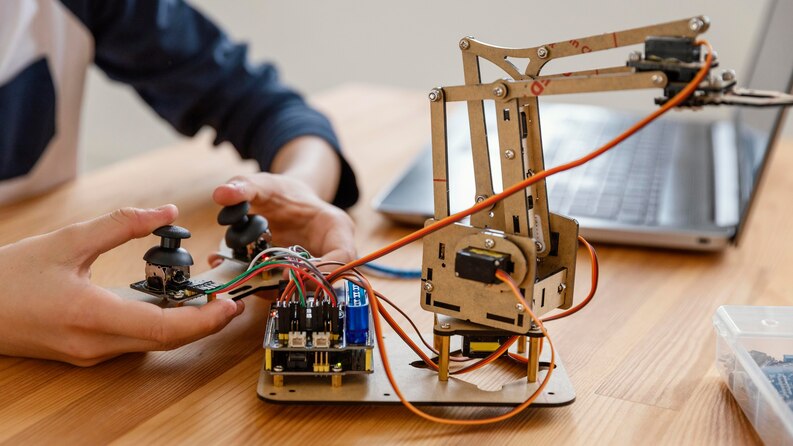
Automation and robotics represent some of the most dynamic areas where Electrical and Electronics Engineering shines. From manufacturing to healthcare, the integration of automated systems and intelligent robots is transforming industries. Electrical engineers are responsible for designing control systems and artificial intelligence algorithms that allow robots to perform complicated tasks with precision. These innovations not only improve efficiency and accuracy but also open new avenues for innovation in fields like space exploration, surgery, and agriculture. The continuous advancement in automation and robotics reflects the pivotal role of EEE in modern technology.
The Role in Modern Computing Technologies
The advancement of computing technologies is another testament to the indispensable role of Electrical and Electronics Engineering. This field contributes significantly to the design and development of microprocessors, embedded systems, and ultra-efficient computing devices. Electrical engineers create systems that power everything from smartphones to supercomputers. Their work in semiconductor technology and integrated circuits forms the bedrock upon which modern computing is built. The digital age thrives on the innovations brought forward by EEE professionals.
Conclusion
Electrical and Electronics Engineering is undeniably a cornerstone of modern technological innovation. Its contributions span numerous industries, driving advancements that improve our quality of life and pave the way for future innovations. As we journey further into the digital age, the role of EEE will only become more significant. For aspiring engineers, embarking on this path promises a career at the forefront of technological progress, where they can be a part of shaping a smarter, more connected world.